
One of the most significant investments is when a person decides to purchase a house or office building. However, one of the most frequent pitfalls of homeowners is beginning building work without a realistic budget.
Many projects start off with grand enthusiasm and a vague idea of how much it will cost, but stall, become second-rate or run into financial difficulties in the middle of the building process. The truth about construction costs is that it’s not just bricks, cement and labor. Every aspect including design costs, approvals, finishing materials, contingency funds, and more must be carefully budgeted.
It is crucial to know precisely how much your project is going to cost and what the money will go towards before you start digging.
A budget is more than just a way to manage spending. It helps you:
The lack of a budget also means that homeowners are tempted to do without some of the more vital structural or finishing details because they don’t have the money to finish the project in full.
The best construction company projects begin with a financial plan much before the first cut is made.
Once you have a grasp on where your money will be spent, you can begin to budget the construction.
All successful projects start with planning.
This may involve:
These costs may seem like an ‘extra’, but for professional planning, they can often be far more than offset by the savings in construction where mistakes and changes to the design are made, which can be very expensive.
In some cases, permits might need to be obtained prior to construction, depending on the project and location.
These expenses can contain:
These are costs that many property owners overlook when creating their initial budget.
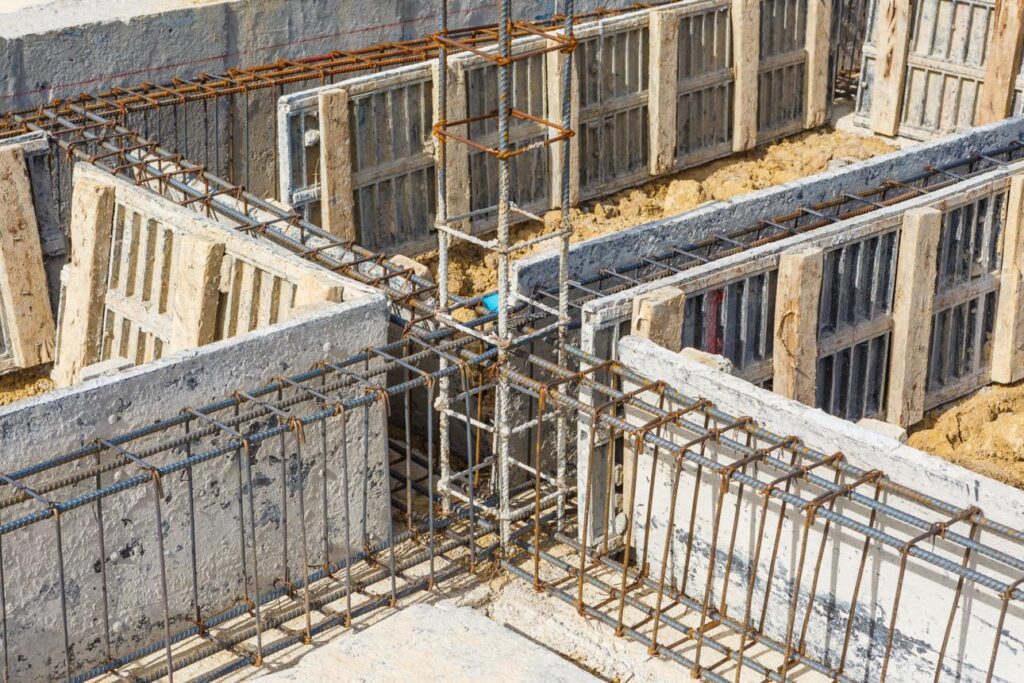
Your building’s framework is the grey structure.
The average cost of grey structures are:
In many residential projects, the cost of grey structure construction is about 50-60% of the total project cost.
The finishing costs can differ significantly depending on the materials used and the desired design.
The cost of these expenses may encompass:
This is a common way many budgets run over as homeowners add upgrades to the house during the process.
When budgeting, many people tend to ignore external works.
Other costs can consist of:
Such costs can affect the overall project investment greatly.
Even when you have the most detailed plans in place, you will always come across unexpected expenses.
The budget may vary due to changes in material costs, design changes, weather delays, and site conditions.
The usual range for a contingency reserve is 10% – 15% of the project’s total cost.
If the cost of your construction is estimated to be PKR 15,000,000, you must budget an additional PKR 1,500,000 to PKR 2,250,000 for any unexpected costs.
When an unexpected cost occurs in a project that doesn’t have contingency funds, there may be compromises or delays in the work.
Clearly define:
The more precise and specific your needs are, the better your budget estimate is likely to be.
Costs in construction are normally quoted on a per-square-foot basis.
Knowing what the total area of coverage is enables you to have a realistic cost framework in place, and compare proposals from contractors.
The way you budget will vary according to your construction model.
The contractor finishes the structural framework, the owner will take care of finishing works separately.
Advantages:
Challenges:
The contractor is responsible for the entire process of the project, from laying out the foundation to handing over the final product.
Advantages:
Challenges:
Knowing which model you need depends on your needs and can be a big factor in your budget.
A Bill of Quantities (BOQ) would detail the quantity of materials, labour and work.
A detailed BOQ assists in the following ways:
A lack of a BOQ raises scope and pricing issues in projects.
Structural costs are often the main consideration for many owners, but the finishing costs are not considered.
Quality tilers, imported fittings, bespoke kitchens and specialist lighting can add significantly to the price of a project.
Price changes for construction materials can occur during the construction.
Prices of steel, cement, electrical parts and finishing materials could vary.
The lowest bid does not necessarily mean the lowest cost.
Low quotations often do not include critical work items or the quality of work is not sufficient to provide the low cost of maintenance that is required.
One of the quickest ways to budget overrun is to change the design once construction has started.
When drawings are completed prior to construction, then there are less unnecessary expenses.
There is a tried-and-true guideline when it comes to project budgets that experienced project managers use: they want to get 80%–to-100% of the budget approved prior to construction.
Often, when funding is inadequate, it results in:
If the funding is to be staggered, make sure there is a clear cash flow plan in line with project milestones.
The aim is not to begin construction, but to finish it up in a timely manner, without sacrificing quality or financial stability.
When considering a construction agreement, be sure to have:
✓ Architectural drawings completed
✓ Structural design approved
✓ Detailed BOQ prepared
✓ Construction model is chosen (Grey structure/turnkey)
✓ Material specifications finalized
✓ Contractor quotations compared
✓ Payment schedule established
✓ Contingency fund reserved
✓ Timeline reviewed
✓ Project budget verified
When homeowners complete this checklist, it can help them avoid a lot of the problems they experience during a home’s construction.
Every construction project must start with success. It starts with realistic budgeting.
Properly planned budgets give you confidence, better decision making and safeguard your investment throughout the project lifecycle. Whether you’re a homeowner looking to build a new home, renovate your existing house or develop a commercial project, knowing the actual building cost enables you to proceed with confidence.
In fact, the most successful projects are not always the least expensive. They are the ones that are carefully planned, professionally managed and funded sensibly from the outset.
Before beginning any construction work, make sure that you know all the costs involved, build in contingency funds, and deal with those who give you a plan in detail and a budget that is clear. Spending time, money and effort at the beginning can save much time, money and stress later.